Sanitation is essential for worker safety and productivity. Without clean, serviceable toilets, workers’ health is at risk — plus, if they have to travel to reach the nearest bathroom, they won’t have as much time to complete their work. This is why the Occupational Safety and Health Administration (OSHA) has laid out sanitation requirements that employers must meet. Non-compliance can result in fines, delayed projects, and damage to your company’s reputation.
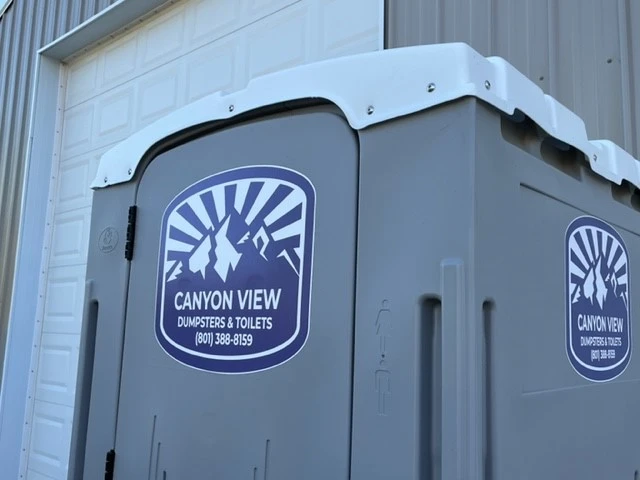
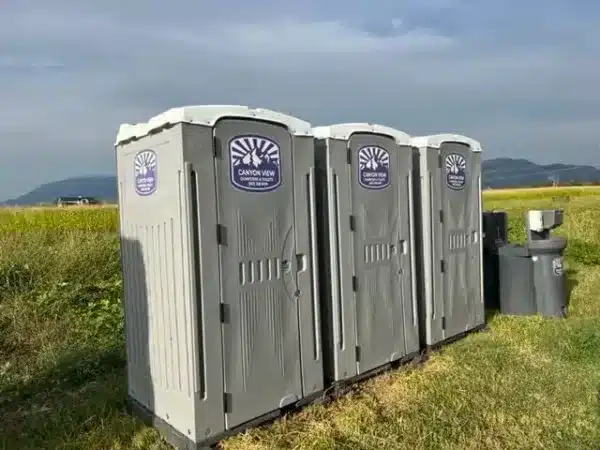
However, not every work site has access to bathroom facilities. That’s where portable toilets come in. Portable toilets support compliance and worker well-being, ensuring everyone has a clean and safe place to do their business.
At Canyon View Dumpsters & Toilets, we’re proud to help companies meet OSHA sanitation requirements by providing high-quality, reliable portable toilet rentals. In this blog post, we’ll go over the basics of OSHA’s sanitation standards, handwashing and hygiene requirements, and special considerations to be aware of.
Overview of OSHA Sanitation Standards
As part of the U.S. Department of Labor, OSHA’s job is to ensure all workers in the United States have safe and healthy working conditions. It achieves this goal by setting and enforcing standards that all employers must follow or risk fines.
OSHA’s sanitation standards can be found here:
- 29 CFR 1926.51: These standards are tailored specifically to construction.
- 29 CFR 1910.141: These general sanitation standards apply to all workplaces.
- 29 CFR 1928.110: These standards apply to agricultural establishments.
OSHA makes a distinction between permanent places of employment (permanent buildings such as offices, warehouses, stores, etc.) and other worksites. It’s these other worksites (farms, remote industrial sites, construction sites, etc.) that typically need portable sanitation facilities.
The Minimum Number of Portable Toilets Required
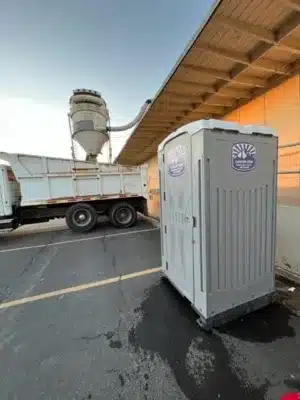
OSHA’s requirements for the number of portable toilets required are based on the size of the workforce. If there are 1–20 employees, a minimum of one toilet is required. For sites with 20–200 employees, one toilet and one urinal are required for every 40 workers. For sites with 200 or more employees, one toilet and one urinal are required for every 50 workers.
These numbers are based on peak workforce numbers — even if 50 workers won’t always be there at once, you’ll still need to provide enough toilets for the times that they’re all present.
Accessibility and Location Requirements
The number of toilets isn’t the only thing that matters. They must be within a reasonable distance of work areas, easily accessible without excessive delays or hazards, and placed on flat, stable ground away from heavy equipment traffic. OSHA has stated that it should take employees less than 10 minutes to get to the toilets from their work stations.
Cleanliness and Maintenance Standards
Portable toilets must also be clean and sanitary. This means they should be regularly cleaned and serviced, the waste should be removed as needed, and any odors should be controlled through proper ventilation.
Portable toilet rental providers play a pivotal role in maintaining compliance — for long-term rentals, they’re responsible for waste removal, cleaning, and maintenance. However, companies have to make arrangements for basic cleaning between professional maintenance.
Handwashing and Hygiene Requirements
OSHA requires handwashing facilities, as well, to prevent the spread of illness among workers and keep the worksite sanitary. They must provide either hot and cold or tepid water, soap, and drying materials. Hand sanitizer may be used as a supplement, but cannot replace proper handwashing.
Gender Considerations and Privacy
If the portable toilets are single-occupancy, there doesn’t need to be separate facilities for men and women. However, if there are multiple stalls in one enclosure and there are both men and women workers, there should be separate facilities for each gender. Furthermore, regardless of gender, the toilets should provide sufficient privacy for workers to do their business.
Consequences of Non-Compliance
If your worksite doesn’t comply with OSHA regulations, you risk inspections and citations. This means potential financial penalties and project delays, threatening your project’s timelines and your bottom line. Plus, without sanitary and compliant toilets, your workers will be dissatisfied due to the health and safety risks, resulting in increased turnover.
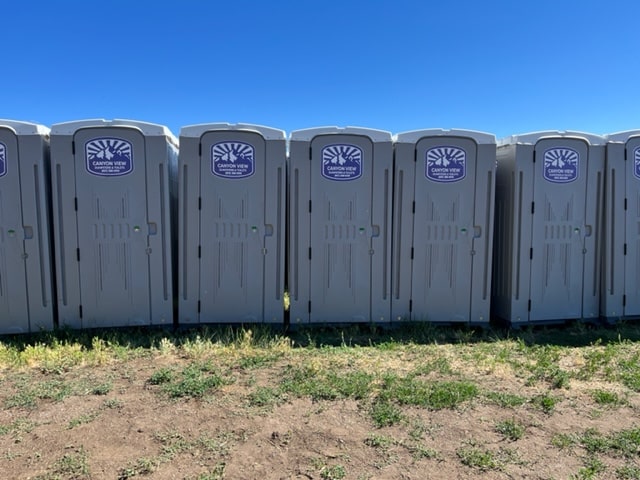
How a Canyon View Dumpsters & Toilets Helps Ensure Compliance
If you want to ensure your worksite remains OSHA-compliant, you’ll need to familiarize yourself with all applicable regulations, conduct regular site inspections, monitor changes in the size of your workforce, maintain careful cleaning/service logs, and partner with a reliable portable toilet rental provider.
At Canyon View Dumpsters & Toilets, we’re committed to helping you meet OSHA regulations by providing reliable portable toilet rentals. We’ll take care of delivery, placement, and setup, along with routine servicing and emergency support, to ensure you and your employees have a safe, comfortable place to do your business. Contact us today to learn more!